Ten Micrograms and a Reality Check: Vitamin D for the UK Winter
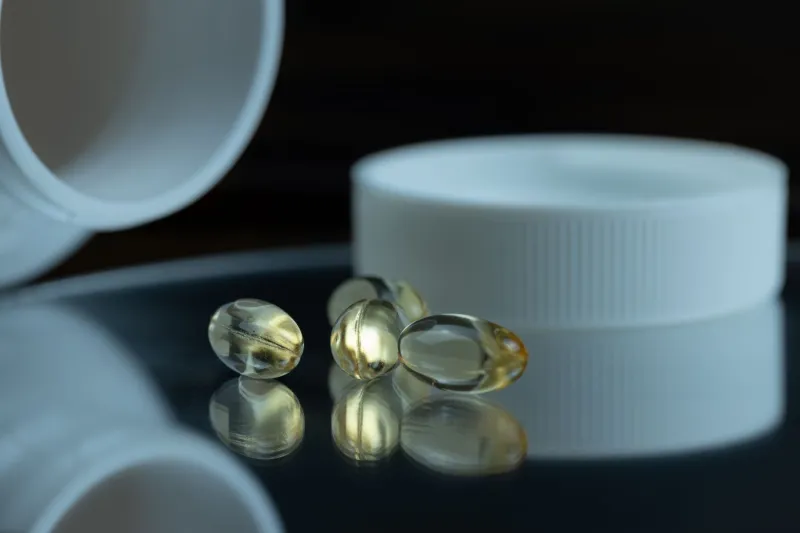
The clocks have gone back, the school run is happening in twilight, and every chemist window in Britain has arranged its vitamin D bottles into a reassuring little pyramid. It is that time of year again: the season when a modest nutrient gets marketed like a miracle in a gel cap.
Let us be clear from the start. Vitamin D matters. It helps regulate calcium and phosphate, which keeps bones and muscles in working order. Public Health England and the NHS have long recommended a daily supplement of 10 micrograms (that is 400 IU) through autumn and winter, because sunlight in the UK from roughly October to March is not strong enough for our skin to make it. That is the boring, evidence-backed headline. Everything else on the label deserves a closer look.
What the NHS actually says — and what it does not
The official advice is not a secret, but it does get buried under promises about immunity, energy and, inevitably, weight loss. The NHS suggests 10 micrograms a day for adults and children over four, particularly between October and March. Babies and young children have different guidance, and anyone with a medical condition, pregnancy, or darker skin may need tailored advice from a GP or midwife.
What the NHS does not say is that vitamin D will melt body fat. There is no robust evidence that vitamin D supplementation causes meaningful weight loss in people who are not deficient. If a label implies otherwise — usually with a discreet asterisk and the word 'supports' doing heavy lifting — treat it as marketing, not medicine.
More is not better, and the megadose is not a shortcut
One of the stranger corners of the supplement market is the high-strength capsule. You will see 4,000 IU, 10,000 IU, even 50,000 IU sold as a winter essential. For most healthy adults, the NHS advises no more than 100 micrograms (4,000 IU) a day unless a doctor has told you otherwise. Above that, you are not buying extra protection; you are gambling with the safe upper limit.
The exception is diagnosed deficiency, where a clinician may prescribe a short course of higher-dose vitamin D. That is a conversation for a GP, not a checkout page. For everyone else, consistency beats potency. A 10-microgram capsule taken daily through the dark months is doing the job the advice intends.
D2, D3, sprays, gummies and oily little capsules
Vitamin D3 (cholecalciferol) is the form your skin makes, and it tends to raise blood levels more effectively than D2 (ergocalciferol). Most good UK supplements use D3. It is fat-soluble, so take it with a meal that contains some fat — breakfast with milk, toast and eggs is fine — rather than on an empty stomach at 6am.
Sprays and gummies are popular, and they can work, but check the actual dose per spray or sweet. Some gummies are essentially confectionery with a token amount of vitamin D. A spray that delivers a consistent 10 micrograms per actuation is fine; a gummy that requires four pieces to hit the same number is not a great bargain.
The clean-label checklist
This is where slimmers trying to spend wisely should slow down. A clean-label vitamin D supplement does not need to be expensive, but it should be transparent. Look for:
- A clear dose per serving in micrograms and IU, not a vague 'vitamin D blend'.
- A named form — ideally vitamin D3 — rather than a proprietary formula.
- Third-party testing, such as the Informed Sport or NSF marks, or a batch number and certificate of analysis available on request. This matters more for sports supplements, but it is a useful signal of quality control.
- A short ingredient list. Some excipients are necessary for stability, but a capsule full of colours, sweeteners and 'bulking agents' is not doing you any favours.
- No weight-loss claims. If the bottle mentions fat burning, metabolic miracles or 'slimming', put it down.
You do not need a subscription, a celebrity endorsement or a dropper shaped like a sunbeam. A basic, well-labelled D3 capsule from a reputable UK pharmacy or brand will do the same job.
Food, daylight and the small stuff that helps
No capsule will replace a decent diet. Oily fish such as salmon, mackerel and sardines are among the few natural food sources of vitamin D, alongside egg yolks and fortified cereals and spreads. You will not hit 10 micrograms from a single meal, which is exactly why the supplement advice exists, but building those foods into the week is still worthwhile.
Daylight matters too, even when it is grey. A lunchtime walk in November will not generate much vitamin D, but it supports mood, sleep and the general feeling that you are not spending your entire life under a kitchen spotlight. For slimmers, that matters more than any capsule: movement, protein and a mostly sensible plate are still the load-bearing habits.
A sensible winter routine
Here is the least glamorous plan you will read today. Take one 10-microgram vitamin D3 supplement daily from now until March, with a meal that contains some fat. Keep the bottle somewhere you will see it — next to the kettle, not in the back of a cupboard. Buy a brand that states the dose clearly and does not make promises it cannot keep. Eat oily fish once or twice a week if you like it. Get outside when you can. And ignore any label that suggests a capsule is the reason you will fit into your jeans by Christmas.
Vitamin D is a small, useful, genuinely important nutrient. It is not a personality, a slimming hack or a miracle. Ten micrograms and a bit of reality is a far better winter purchase than a shelf full of nonsense.