Keep the Roast, Lose the Guilt: A Case for Slimming the British Way
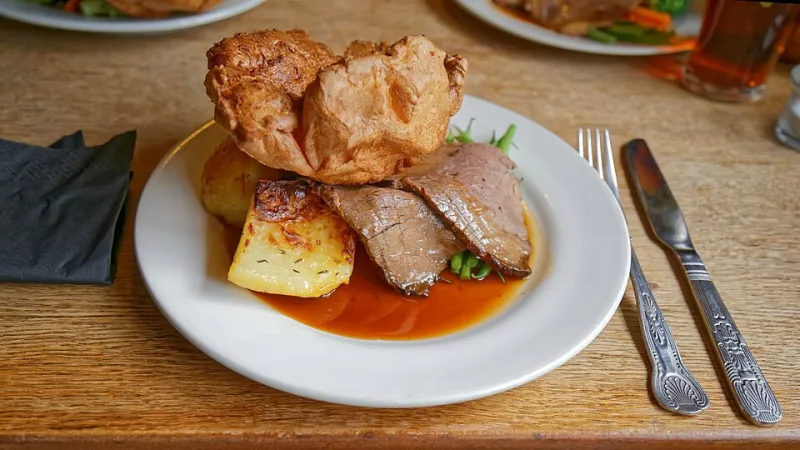
Photo: Acabashi, CC BY-SA 4.0, via Wikimedia Commons
Can we have a word about the wellness industry's weird obsession with making British food the villain?
Scroll through any diet app and you'll find meal plans featuring cauliflower rice, zoodles and something called 'protein pancakes' that bear no resemblance to anything our grandmothers would recognise. Meanwhile, the Sunday roast — arguably this country's greatest culinary achievement — gets treated like a nutritional crime scene.
We think this is backwards. Not just joyless, but strategically stupid. Because here's the thing: any eating plan that requires you to permanently renounce the food and drink woven into British life isn't a plan. It's a countdown to giving up.
Diets Fail When They Fight Culture
The research on long-term weight management keeps circling the same conclusion: the diet you can stick to beats the diet that's theoretically perfect. And 'sticking to it' doesn't happen in a vacuum. It happens at family dinners, in the pub after five-a-side, at your mum's place on a Sunday.
If your plan means declining every one of those occasions, you're not on a diet — you're in exile. Eventually, exile ends, usually with a family-size trifle and a sense of failure that was never really yours to carry.
The alternative is simpler: keep the food you love, and get smarter about how it lands on your plate.
The Roast Dinner Makeover
Let's start with the crown jewel. A traditional roast is actually closer to a balanced meal than most ready meals — protein, vegetables, carbohydrates. The trouble is in the margins: the glugs of oil, the mountains of roasties, the gravy waterfall.
Practical tweaks that don't ruin anything:
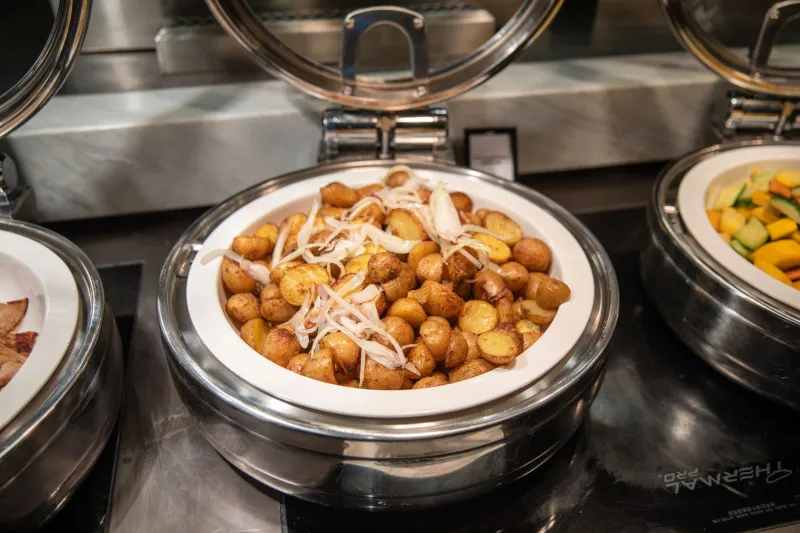
- Roasties with intent. Parboil, rough up, then toss in a measured tablespoon of oil rather than a free pour. Goose fat is lovely; olive oil is lovely too and lighter.
- Skin on or off. Chicken with skin removed after cooking keeps flavour in the meat while skipping a chunk of fat.
- Veg first, veg often. Load half your plate with carrots, broccoli, sprouts, whatever's in season. Fill up on the good stuff before the Yorkshire puddings make their case.
- Gravy, not soup. Make it properly with stock and a cornflour slurry instead of granules loaded with salt and fat — or use granules sparingly if that's your way.
No single change is dramatic. Together, you can easily shave 400-500 calories off a roast without anyone at the table noticing a thing.
The Chippy, the Pub, and Real Life
Fish and chips isn't a weekly ritual for most of us, and that's exactly the point — a treat twice a month doesn't derail anything. When it does happen: ask for your fish in batter... scraped off, or go grilled. Share chips. Add mushy peas, which are genuinely one of the better things on any chippy menu.
As for the pub — the pint isn't the problem; the pints are. Alternating with tap water, swapping to a lower-strength option, or simply having one instead of four will do more for your weekly numbers than any superfood smoothie. And a packet of pork scratchings? Enjoy it. Just know what it is: a treat, not a snack.
Portions Are the Quiet Hero
Here's the least sexy advice in this article: most of the weight-management battle isn't what you eat, it's how much. British food culture serves generously — that's hospitality, and we love it — but you're allowed to leave food, serve yourself a smaller plate, or go back for more veg instead of more potatoes.
A smaller plate at home. A starter instead of a main when out. Leftovers boxed before you start eating. None of these are sacrifices; they're just habits with better maths.
The Bottom Line
Your wellness journey shouldn't require a passport to another cuisine. The British plate — roast dinners, porridge, beans on toast, a proper brew — can absolutely support your goals with modest adjustments and honest portions.
Slimming down doesn't mean becoming someone else. It means becoming a slightly more deliberate version of the person who already loves their Sunday lunch. We'll raise a glass of tap water to that.