Trillions of Tiny Tenants: Could Your Gut Bacteria Be Running Your Waistline?

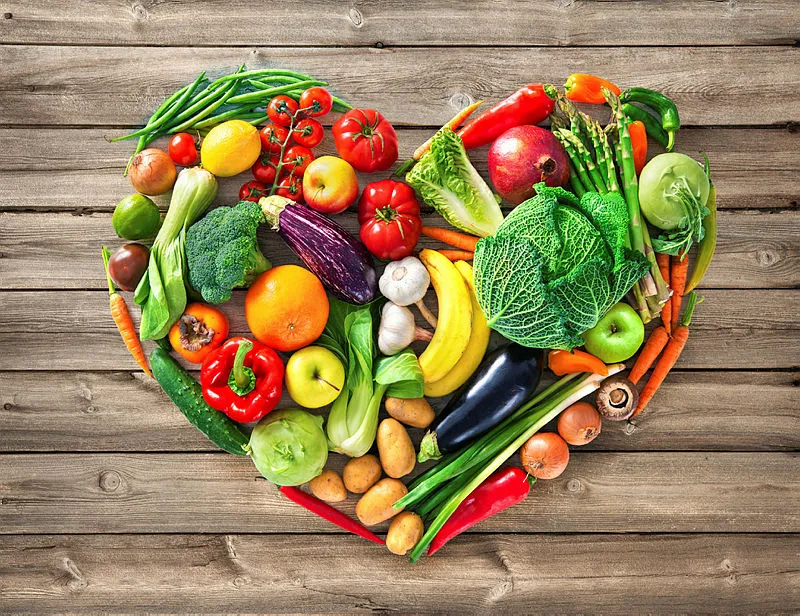
Photo: ilya_ktsn , CC BY 2.0, via Wikimedia Commons
There's a party happening in your gut right now, and you weren't invited. Roughly 38 trillion bacteria, fungi and other microbes have set up camp in your digestive tract, and while that sounds like the plot of a horror film, most of them are doing useful work — digesting fibre, producing vitamins, and, according to a growing pile of research, potentially influencing how easily you gain or lose weight.
If you've ever followed the exact same diet as a friend and watched them shed pounds while your scales barely twitched, your microbiome is one of the usual suspects. Let's unpack what the science actually says — minus the hype.
The Gut-Weight Connection, Briefly
The core idea is this: the bacteria in your gut break down fibre into compounds called short-chain fatty acids, which play a role in appetite regulation, inflammation, and how your body stores energy. People with more diverse gut bacteria tend to show better metabolic markers in studies. Diversity, in gut terms, is a bit like a well-stocked toolbox — the more species you have, the more jobs they can handle.
Research in this area is genuinely promising but still young. Twin studies have suggested that leaner individuals often host a wider variety of microbes, and animal studies have shown dramatic effects when gut bacteria are transplanted (we'll spare you the details). What we don't yet have is a magic formula — no one can hand you a shopping list of exact bacteria guaranteed to shift the scales.
Fermented Foods for the British Trolley
The good news: feeding your existing gut residents well is something you can start this weekend. Fermented foods introduce live cultures, and fibre-rich foods (prebiotics) feed the microbes already there.
Wander down a UK supermarket aisle and you'll find more options than you might expect:
- Live yoghurt — check the label for 'live and active cultures'. Natural, unsweetened versions are the cleanest pick.
- Kefir — a tangy, drinkable fermented milk that's gone mainstream in most big chains.
- Kimchi and sauerkraut — increasingly stocked in larger supermarkets; look for versions in the chiller, as shelf-stable ones are usually pasteurised (which kills the cultures).
- Sourdough bread — the fermentation won't deliver live bacteria after baking, but it may be easier to digest than standard loaves.
- Miso paste — handy for quick soups; stir it in after heating to preserve the cultures.
And for the prebiotic side — the food your microbes eat — think onions, leeks, garlic, oats, bananas and cooled potatoes. A humble bowl of porridge with a banana is, microbiome-wise, doing more than most expensive gimmicks.
Where Prebiotic Supplements Fit
Prebiotic supplements are essentially concentrated fibre — compounds like inulin or fructo-oligosaccharides that pass through your digestive system largely intact until gut bacteria ferment them. They're not bacteria themselves, and they're not probiotics; they're fertiliser for the garden you already have.
Used sensibly, a clean-label prebiotic can top up your fibre intake if your diet is falling short — which, given most UK adults get well under the recommended 30g of fibre a day, is a fair few of us. Start small, though. Ramp up too quickly and the fermentation process can leave you bloated and windy, which is not the transformation anyone's after.
As ever with PureSlim UK, read the label. A good prebiotic supplement lists its active ingredients clearly, states the dose, and doesn't hide behind proprietary blends or unpronounceable filler. If a product claims to 'melt fat' via your gut, walk away.
Claims Worth a Raised Eyebrow
The microbiome is hot, and where there's heat there's marketing. Approach these with scepticism:
- 'Gut health' slimming teas and gummies. If the active ingredients are laxatives, any weight lost is water, not fat.
- Precise bacteria-strain promises. 'Contains strain X to burn belly fat' — strain-specific human evidence for weight loss is thin on the ground.
- At-home microbiome tests with bespoke diet plans. The science behind personalised recommendations from a single stool sample isn't there yet.
- Anything promising results in days. Microbiome shifts happen over weeks and months of consistent habits.
The Takeaway
Your gut bacteria aren't a weight-loss cheat code, but they are a genuine piece of the puzzle — one that responds well to the kind of boring, sustainable habits we're always banging on about: more plants, more fibre, more variety, fewer ultra-processed shortcuts.
Feed your tenants properly and they may well return the favour. Just don't expect a miracle by Friday.